This itinerary invites you to visit a shrine and garden and admire the beauty of bonsai in Tokyo before continuing to Nara and Yoshino, where you’ll explore forests and Shugendo asceticism, Nara Park, and the historic Naramachi area while tracing Japan’s traditions of prayer and daily life.
In Tokyo, visit Hatonomori Hachiman Shrine and Rikugien Gardens and admire the bonsai at Shunkaen Bonsai Museum. Then travel to Nara, where you’ll awaken your senses in the forests of Yoshino and experience Japan’s tradition of mountain worship through Kinpusen-ji Temple and morning Buddhist prayers at its Zao-do Hall. Walk through Nara Park and Naramachi to round out this three-day journey offering a deeper appreciation of the spiritual culture passed down through generations in Japan’s ancient capital.
*For the latest information on business hours, days when spots/facilities are regularly closed, prices, etc., please check the official website for each spot/facility or check directly with the spot/facility.
Destination

Itinerary

3Days
Transport

JR (Shinkansen + Local Line)
Tokyo to JR Nara via Kyoto
Tokyo to JR Nara via Kyoto
About
3 hours
10 minutes
3 hours
10 minutes
Highlights


Day1
TOKYO
1
Hatonomori Hachiman Shrine


Hatonomori Hachiman Shrine's fujizuka is famous as the oldest mound created to imitate Mt. Fuji remaining in Tokyo. It was constructed in 1789, and is designated a Tangible Folk Cultural Property of Tokyo.
Although the mound is around 6 meters tall, it is said that climbing a fujizuka means the climber is blessed in the same way as if they had climbed Mt. Fuji, and there is a lovely view from the peak. Irises bloom around the same time as the yearly temple founding ceremony takes place (3 June), in the space in front of the fujizuka representing a pond, and are a very pretty sight to see.
Although the mound is around 6 meters tall, it is said that climbing a fujizuka means the climber is blessed in the same way as if they had climbed Mt. Fuji, and there is a lovely view from the peak. Irises bloom around the same time as the yearly temple founding ceremony takes place (3 June), in the space in front of the fujizuka representing a pond, and are a very pretty sight to see.

5 minutes by foot

22 minutes by train (JR)
7 minutes by foot
2
Rikugien Gardens


These gardens were constructed by Yanagisawa Yoshiyasu on the land given to him in 1695 by Tokugawa Tsunayoshi, the fifth shogun of the Edo Bakufu. Yoshiyasu spent seven years constructing a garden with paths around artificial hills and a pond. As the land was part of the flat Musashino region, when building the gardens he had to dig a pond, create hills, and bring in water from the Senkawa water supply to fill the pond.
Inside the garden you can also find some teahouses to enjoy some calming tea in one of the most breathtaking gardens of Tokyo.
Inside the garden you can also find some teahouses to enjoy some calming tea in one of the most breathtaking gardens of Tokyo.
7 minutes by foot
32 minutes by train (JR)

16 minutes by bus
3 minutes by foot
3
Shunkaen Bonsai Museum


Bonsai is a work of art that creates magnificent natural scenery in a hachi (small pot). Shunkaen BONSAI Museum in Edogawa-ku, Tokyo was created in 2002 from the desire of Kunio Kobayashi, a bonsai artist and recipient of the Prime Minister’s Award, one of the three grand prizes of Japan, and the Higashi-Kuninomiya Culture Award, to deeply spread bonsai to the world. Over 1,000 bonsai line a garden with a pond where carp gracefully swim and a majestic Japanese house. Each hachi (pot) has different style, all of which are beautiful and have a dignified appearance. The museum also offers classes (for a fee and available in English and Chinese) where you can experience the charm of bonsai. Classes can be booked three days in advance. All you have to bring is yourself as tools and training bonsai are provided. Since you may take completed bonsai home with you for an additional fee, drop by and experience the beauty of bonsai.
Day2
NARA
4
Tokyo Station
2h15minutes by JR Tokaido Shinkansen
1h55minutes by train (non-JR lines)
5
Shinrin-yoku: Forest bathing in Yoshino


Experience Shinrin-yoku (Forest Bathing) in Yoshino, home to Nara Prefecture's first certified therapeutic forest. Walk peaceful forest trails, visit a refreshing waterfall, enjoy tea surrounded by nature, create your own aroma spray, and relax in a hammock under the trees. Led by a local English-speaking guide, discover Japanese wellness traditions and the deep connection between the people of Yoshino and its forests. A perfect retreat for families, couples, nature lovers, and wellness travelers.
5 minutes by train (non-JR lines)
3 minutes by ropeway
10 minutes by foot
6
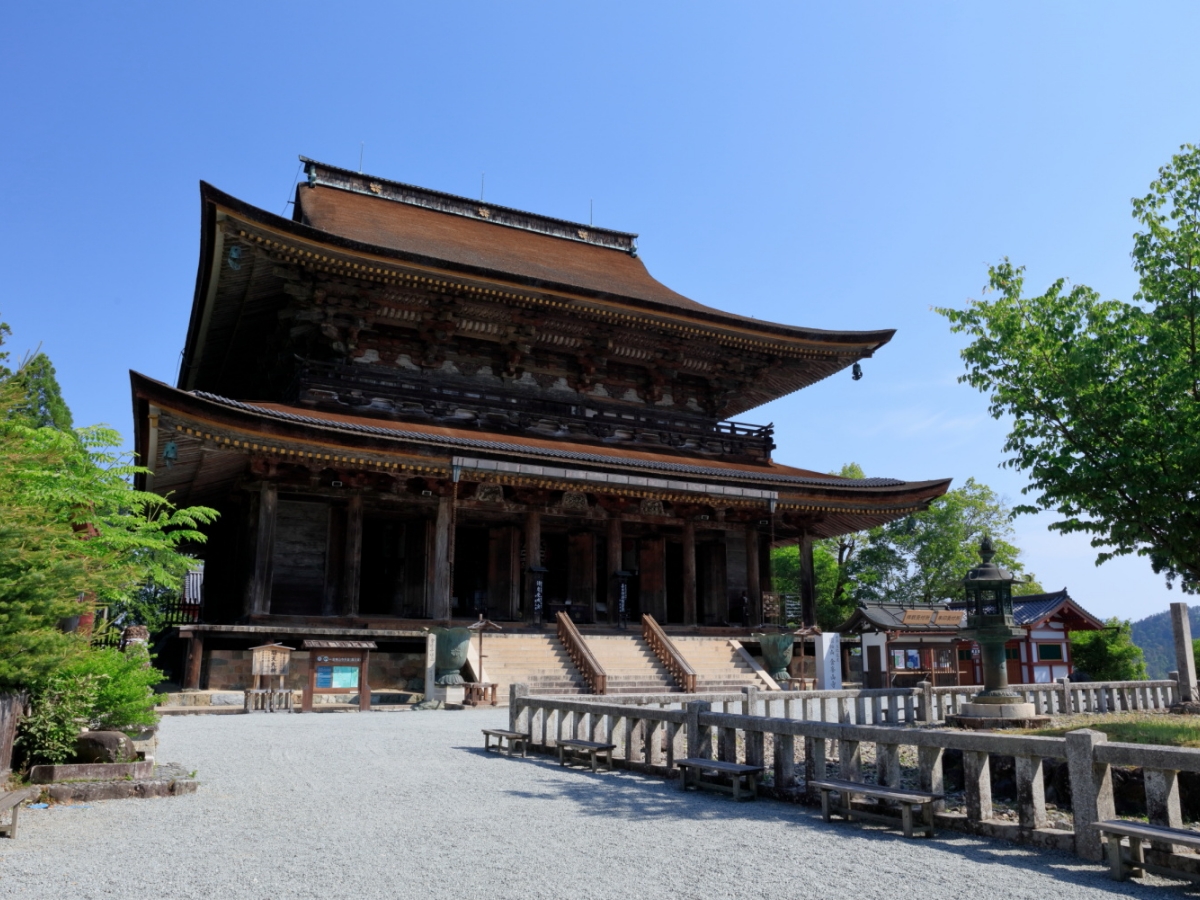
Kinpusen-ji Temple: A UNESCO World Heritage Site


Kinpusen-ji Temple, on Mount Yoshino in Nara, is the heart of Shugendo, Japan's ancient mountain ascetic tradition. With over 1,300 years of history, it is part of the UNESCO World Heritage Site "Sacred Sites and Pilgrimage Routes in the Kii Mountain Range." Its National Treasure, Zao-do Hall, houses three magnificent 7-meter-tall statues of Kongo Zao Gongen. Visit Kinpusen-ji to experience Japan's spiritual heritage amid the beauty of Mount Yoshino.
Day3
NARA
7
Morning Buddhist Service at Zao-do Hall


Join the Morning Buddhist Service (Asaza Gongyō) at Zao-do Hall, the main hall of UNESCO World Heritage Kinpusen-ji Temple in Yoshino. For over 1,300 years, Shugendō practitioners have offered prayers and chanted sutras in this sacred space. Immerse yourself in the tranquil atmosphere and experience Japan's ancient mountain spiritual tradition firsthand. No knowledge of Buddhism is needed. Please dress respectfully, remain quiet, and follow the temple's guidance. The ceremony lasts about 30–45 minutes.
10 minutes by foot
3 minutes by ropeway
1h20minutes-1h30minutes by train (non-JR lines)
5-10 minutes by foot
8
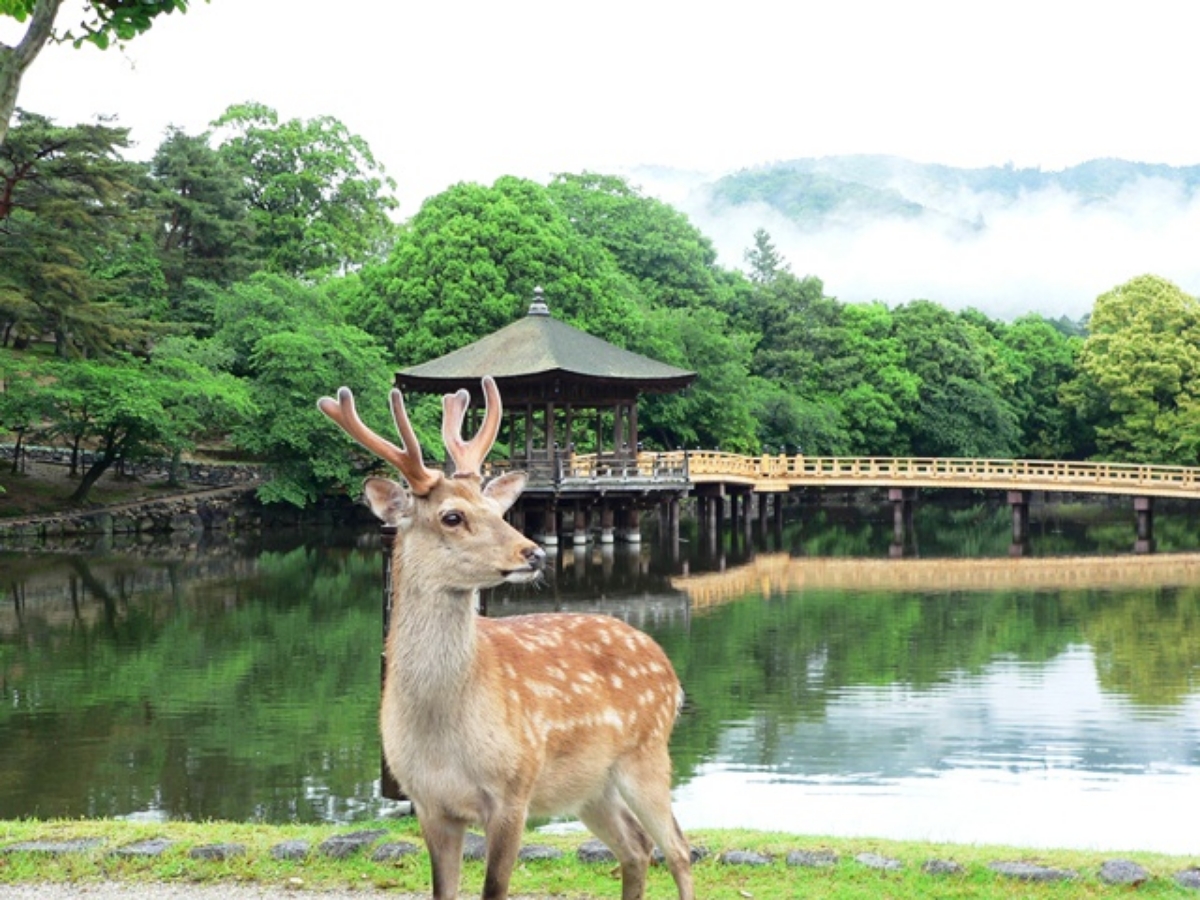
Nara Park: Ancient Temples and Sacred Deer


Nara Park, a vast green expanse in the heart of Nara city, has welcomed visitors for over 1,300 years, since the era when Nara served as Japan's ancient capital. Wander among Kasuga Taisha, Kōfuku-ji, and Tōdai-ji—storied shrines and temples where centuries of history blend seamlessly into the natural landscape. Roaming freely across the park are around 1,300 wild deer, designated a National Natural Monument and revered as sacred messengers of the gods. Offer them a deer cracker and share a gentle moment few places in the world can match.
5-10 minutes by foot
9
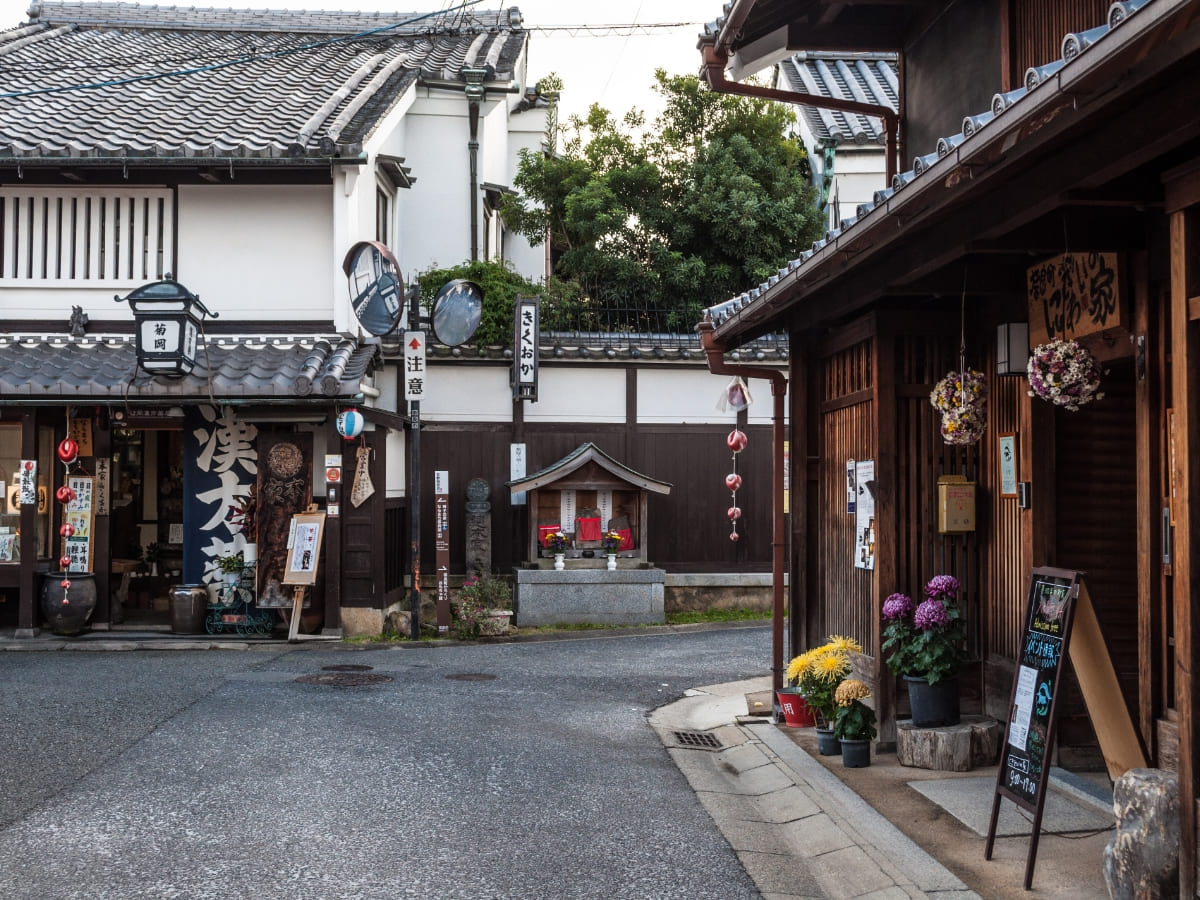
Naramachi: Wander Through Nara's Traditional Streets


Just to the east of Nara Park, the narrow, winding streets of traditional merchant houses now host sweet shops, modern art galleries, hip cafes and boutique ryokan. With shops like Yu Nakagawa, Naramachi is a great place to find contemporary Nara crafts and stylish souvenirs. The whole area is compact and easy to cover on foot. Alongside Nara Park and Nishinokyo, Naramachi is one of Nara City's main draws.
update: Oct.28.2026